
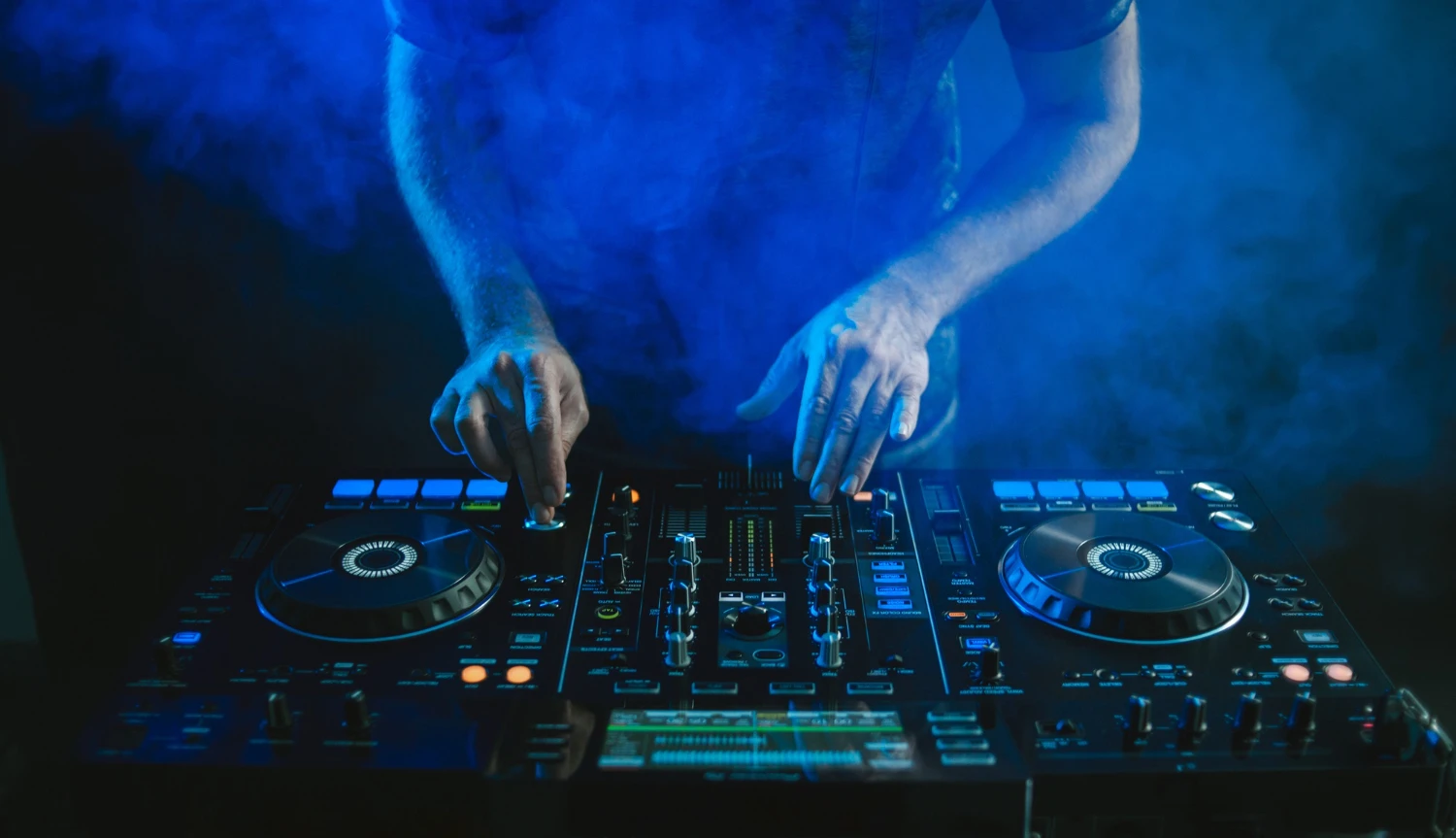
How to Become a DJ: Everything You Need to Start Today
You don’t need a record deal, a famous mentor, or years of music theory to become a DJ.
You need the right roadmap, the right skills, and the drive to keep going when it gets hard.
You don’t need a record deal, a famous mentor, or years of music theory to become a DJ.
You need the right roadmap, the right skills, and the drive to keep going when it gets hard.
Most beginners overthink the gear and underestimate the craft. The reality is that DJ techniques and DJ skills matter far more than the equipment you start with.
Before you touch a controller, understand what you’re working toward.
DJing is about reading a crowd, controlling energy, and making seamless transitions that feel effortless to the listener.
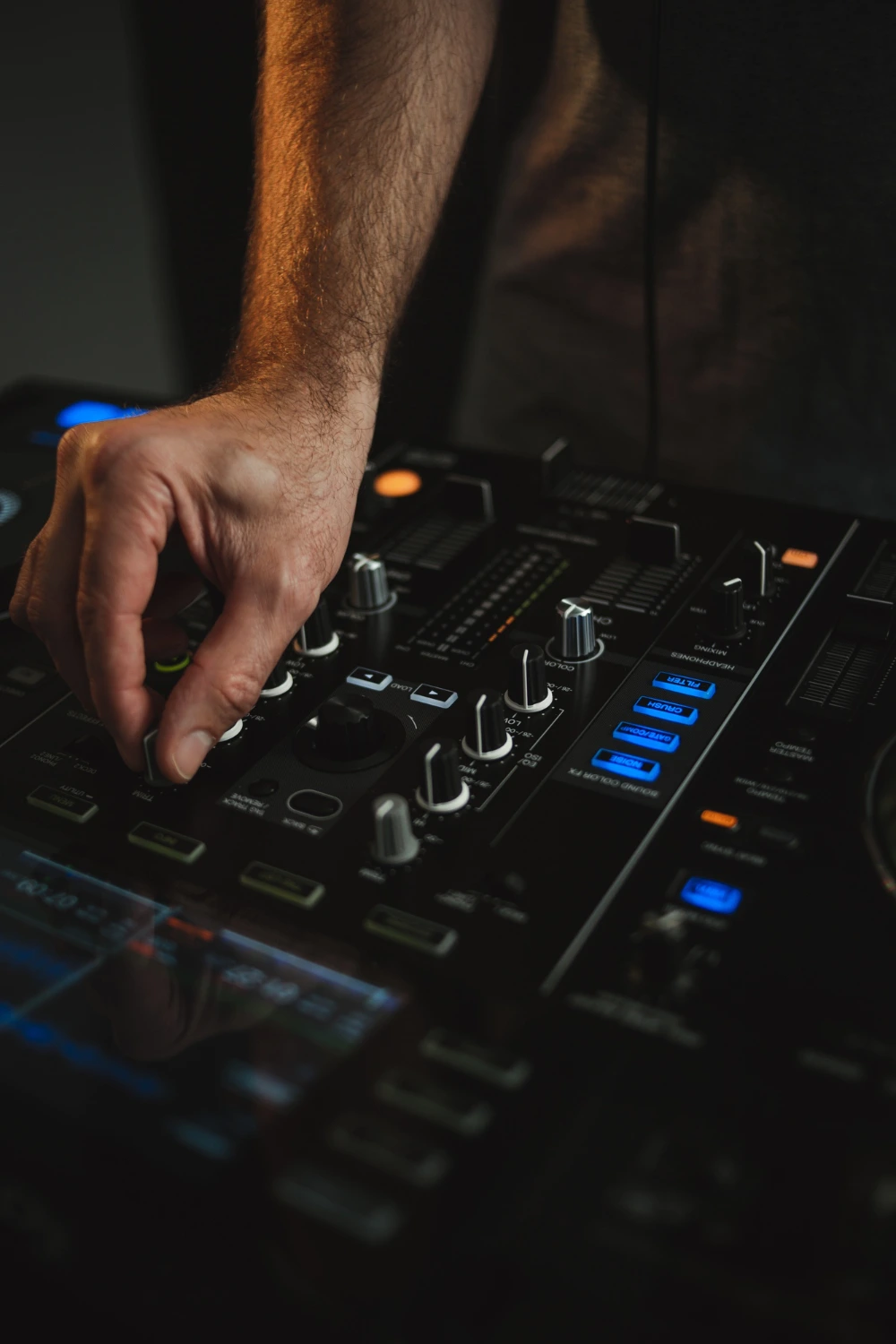
Beat matching is the foundation of everything.
You learn to align the tempo of two tracks so they play in sync, creating smooth blends instead of jarring cuts.
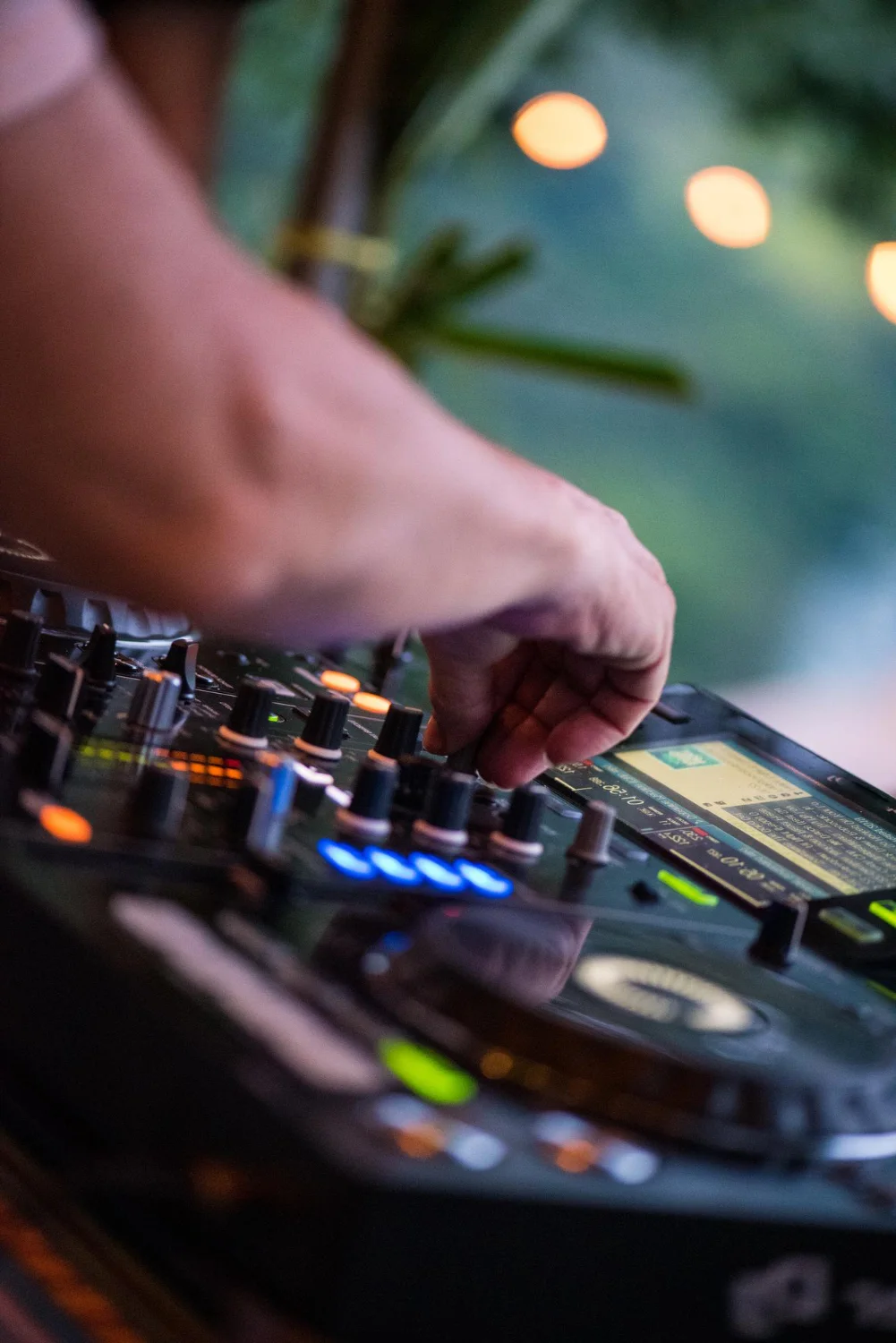
Transitions are how you move from one song to the next without killing the vibe.
EQ filtering, volume fades, and phrasing awareness all play a role here.
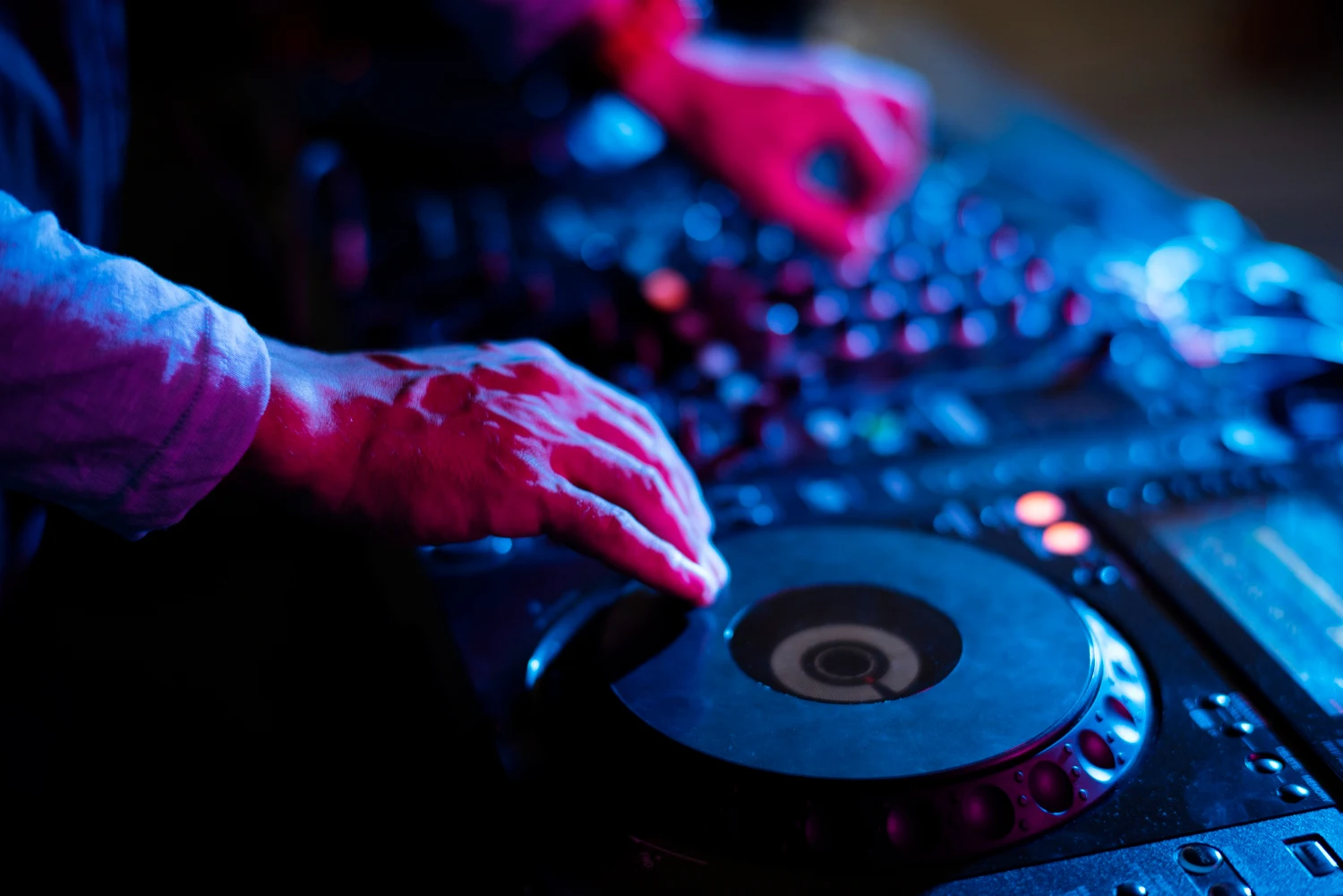
Scratching is an advanced DJ skill, but even learning the basics changes how you think about music manipulation.
It builds your ear and your timing in ways that standard mixing cannot.
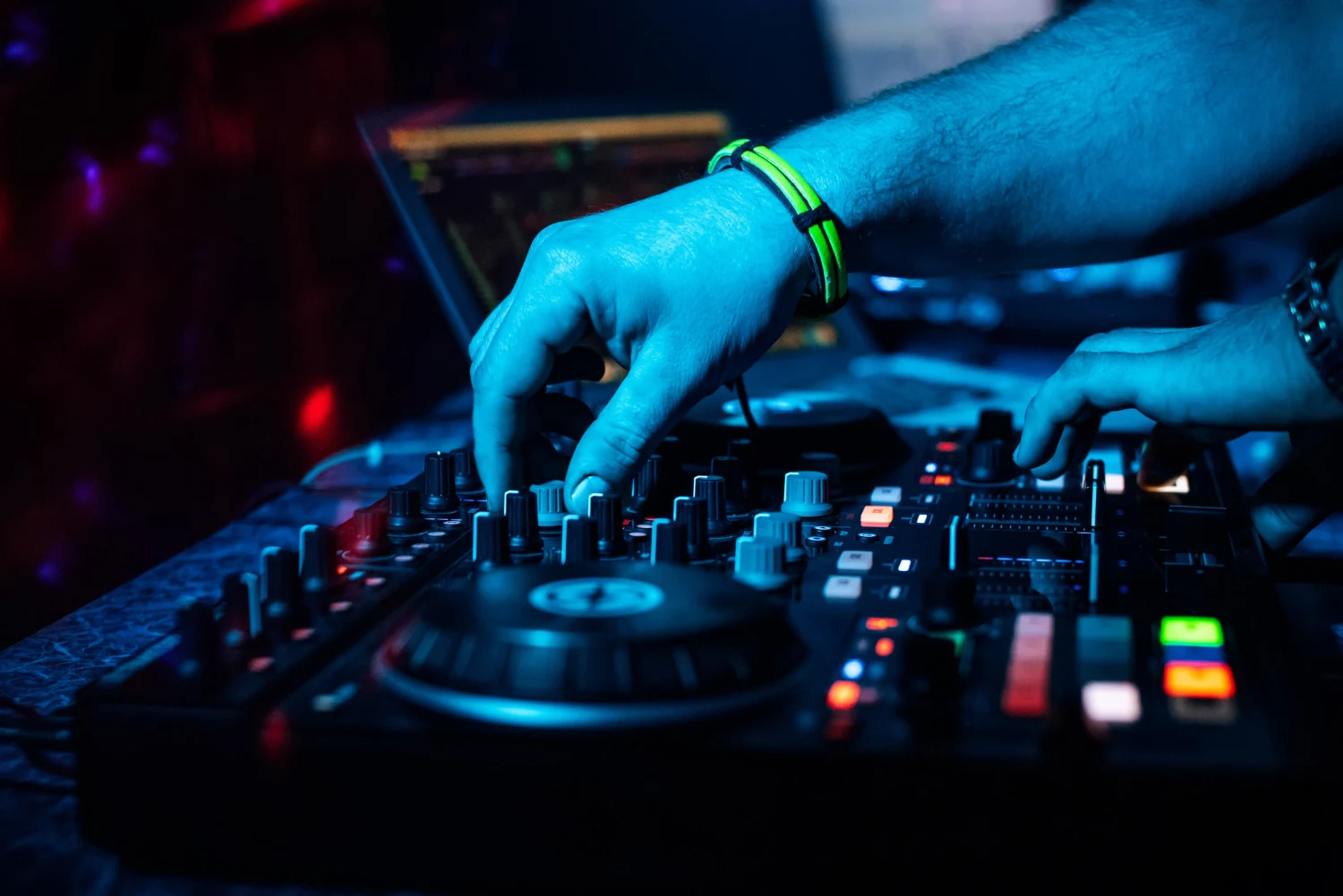
You don’t need expensive gear to start building real DJ skills.
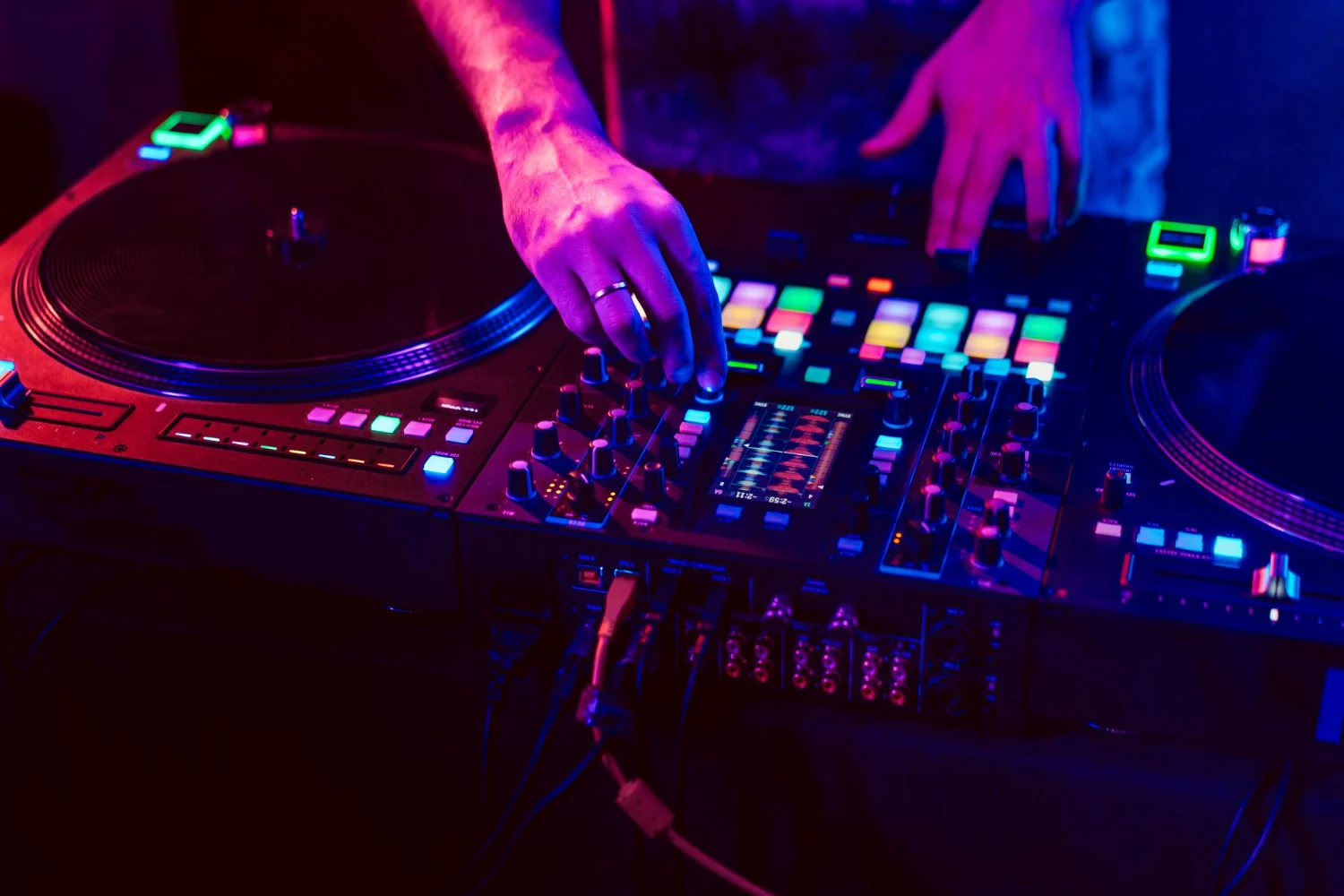
A basic DJ controller connected to your laptop gives you everything you need to practice beat matching, learn mixing techniques, and develop your own style.
Consistency beats intensity every time. Thirty minutes of focused practice daily will outperform a three-hour weekend session where you’re just playing songs you like.
Set specific goals for each session. Work on one DJ technique at a time. Record yourself and listen back critically. That feedback loop is where real growth happens.
Progress feels slow at first, then suddenly it accelerates. Stay patient with the fundamentals and the advanced skills will come naturally.
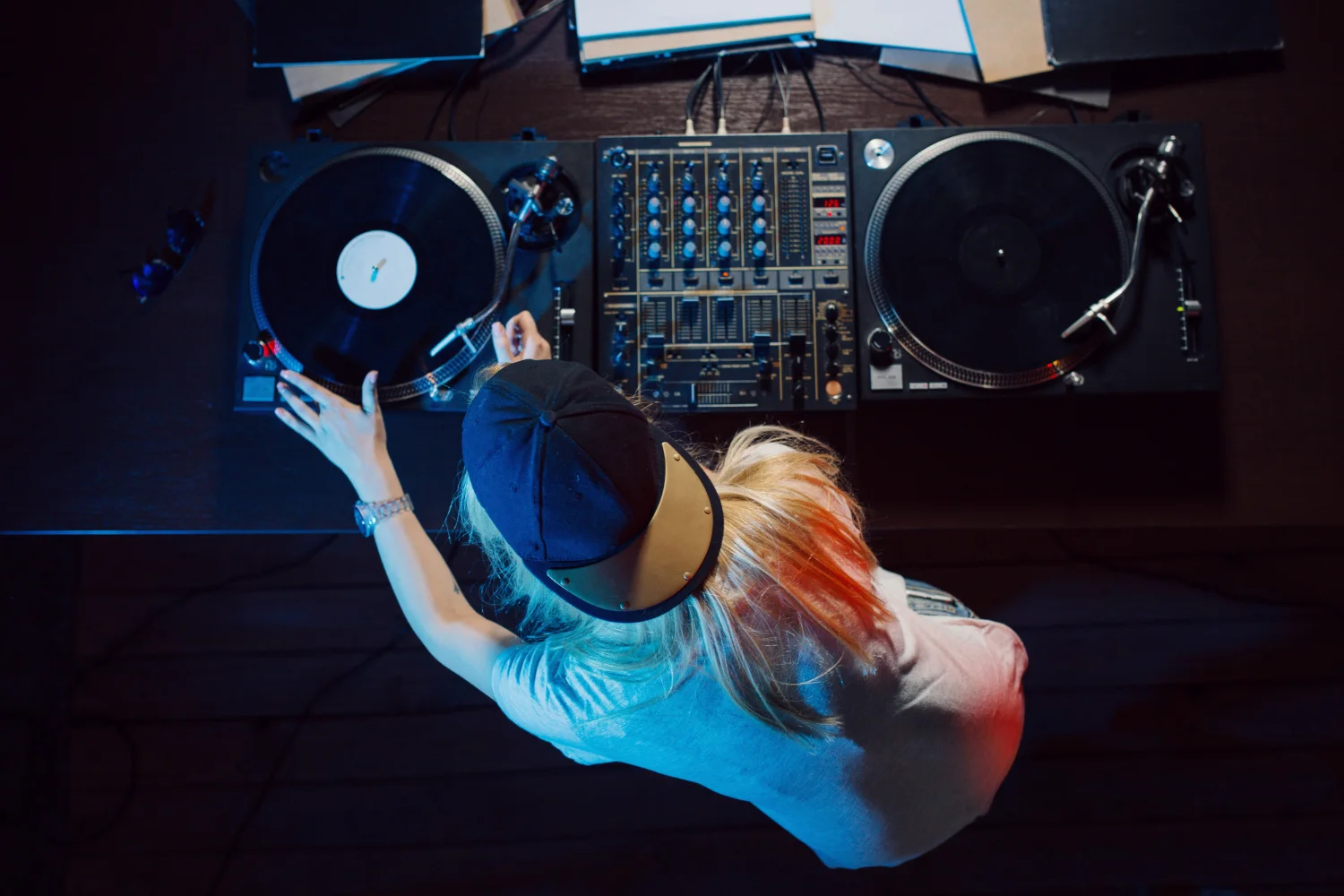
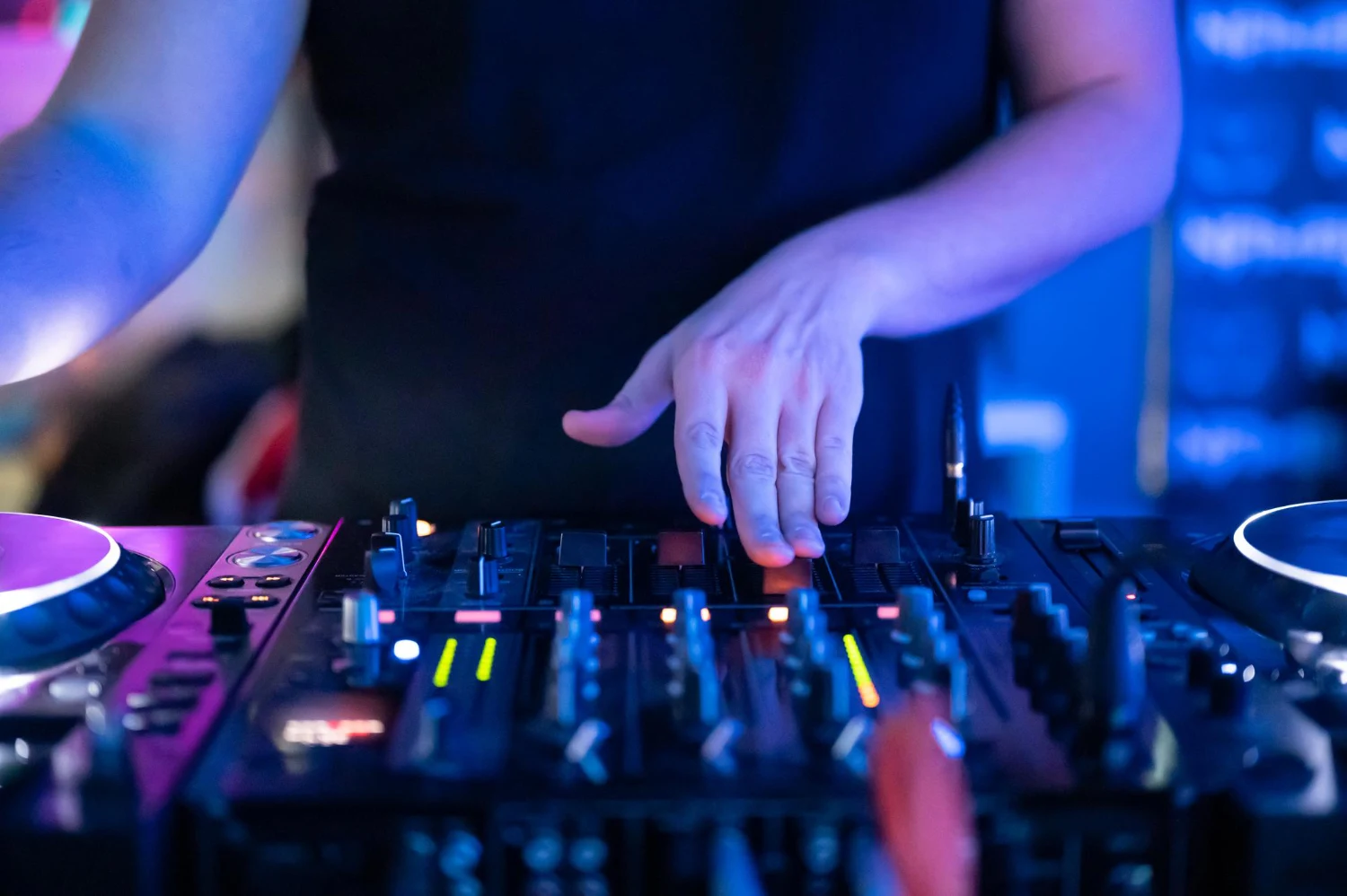
Mixing is a skill you build through repetition, not theory. Start with two tracks in the same key and tempo. Get comfortable there, then add complexity.
Once you feel confident in basic DJ beat matching, start experimenting with how to mix music across genres. That’s where your personal style begins to emerge.
Learning how to mix music well also means training your ears to catch mistakes before the crowd does. Record every practice session and become your own toughest critic.
Once your core DJ skills are solid, you can explore DJ production: creating your own edits, remixes, and original tracks. This is where DJing and music production begin to overlap, and where many artists find their true creative voice.
Your journey as a DJ is not a straight line. It’s a series of breakthroughs separated by plateaus. Every great DJ you admire has been exactly where you are right now.
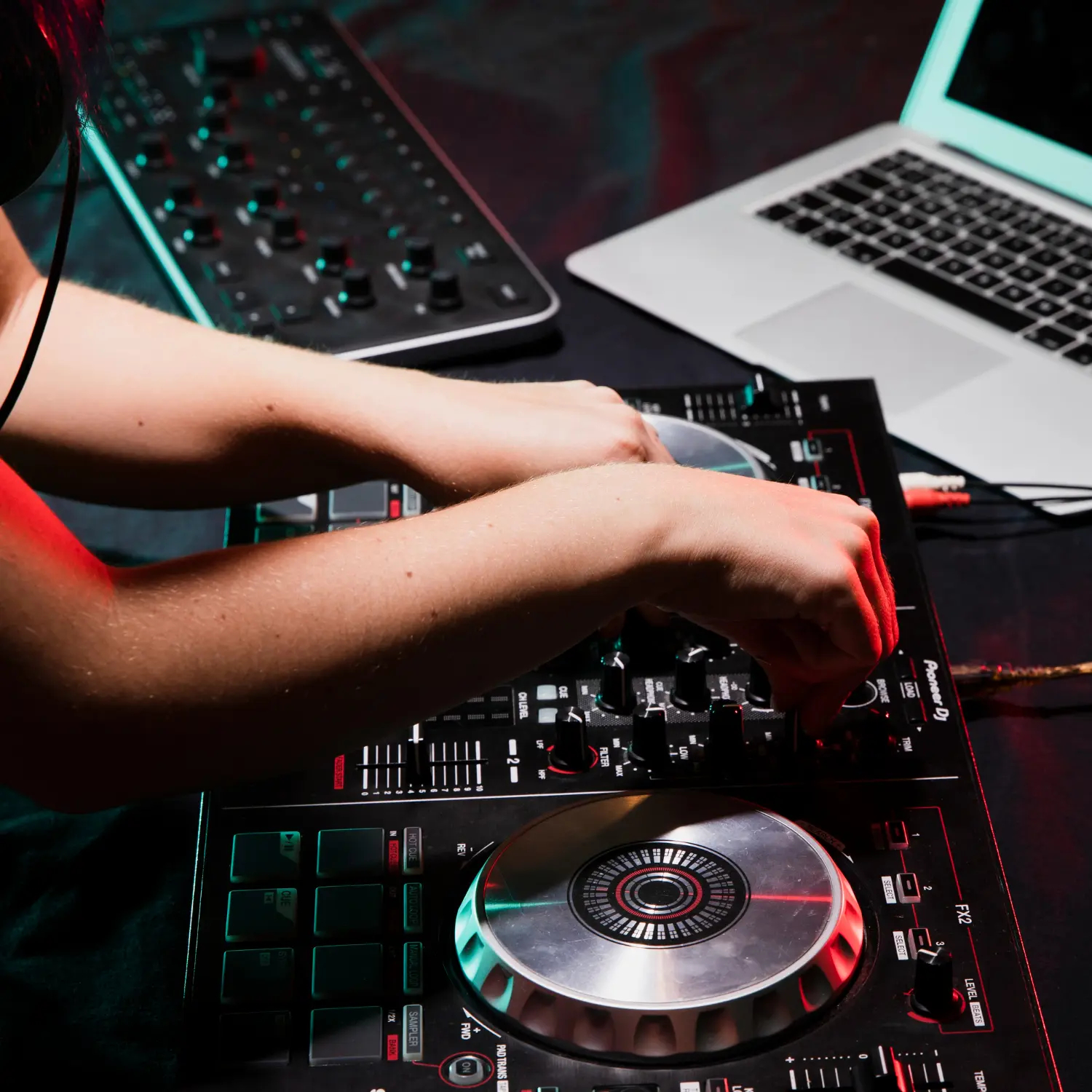
aiting until you have better gear, more time, or more confidence is how people stay beginners forever. Pick up what you have, learn one technique this week, and build from there.
The DJ you want to become is built one session at a time.